PATIENTS
There are two ways to move a heavy piece of furniture: shove it by force, dragging everything in its path, or lift it with technique so it lands exactly where you want without scratching the floor. Orthodontics is the same. Most push. The OISE System lifts with technique.
Let me explain what that means, because it's the difference between treatment that respects your teeth and treatment that wears them down.
OISE stands for Segmental Invisible Orthodontics, and the whole concept is right there:
The underlying idea: every tooth, every root and every bone reacts differently. Applying the same force to all of them is like prescribing the same dose to every patient.
This is the part catalogue orthodontics doesn't explain. Traditional mechanics use a continuous archwire: a single wire that connects all the teeth and drags them together. It works, but it generates forces you don't always control.
Segmental mechanics grew out of the segmented-arch technique of Dr. Charles Burstone, considered the father of biomechanics. It divides the teeth into active and anchorage units to apply controlled forces and precise movements. In plain terms: I decide which teeth to move, where to, and with how much force, without the neighbours getting disordered along the way.
The gain for you? More efficient movement thanks to using little force and excellent three-dimensional control of the teeth. Less brute force, more precision.
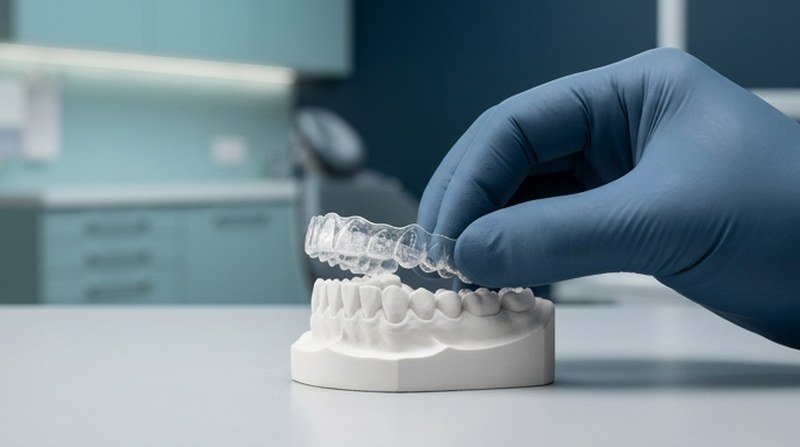
Many people believe that choosing something aesthetic (aligners, clear braces, lingual) means giving up precision. OISE rejects that trade-off: it puts the principles of segmental mechanics inside invisible orthodontics. Aesthetics and control, not one at the expense of the other.
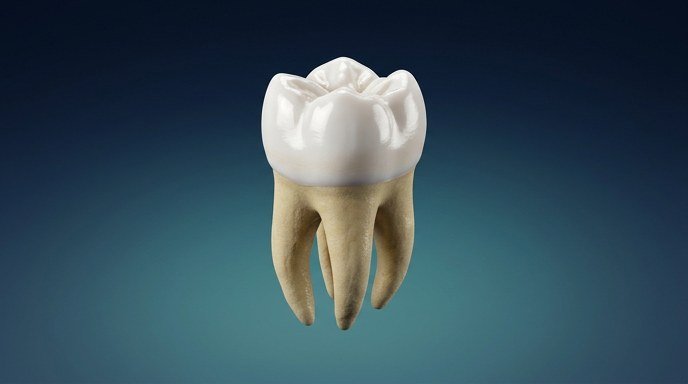
Your tooth doesn't float: it is held by the periodontal ligament, a living tissue that reacts to pressure. Excessive forces don't speed anything up; they are one of the main causes of root resorption (when the root shortens). Because segmental mechanics work with light, constant forces that allow the anchorage to be controlled during movement, the system is designed, from the ground up, to move while respecting the root.
Don't just ask "braces or aligners?". Ask: "how do you control the forces so you don't damage my roots?". If they answer clearly, you're in good hands. If they answer with a brand name, keep looking.
The OISE System is the basis of how I work every case. Let's talk about yours whenever you like.


Book an assessment appointment and clear up all your questions with Dr. Chaparro.